
When we think of politics in America, we think of the executive, judicial, and legislative branches and the people in them. Politicians run on promises for a better future when reaching for power; however, how many are from your neighborhood or town?
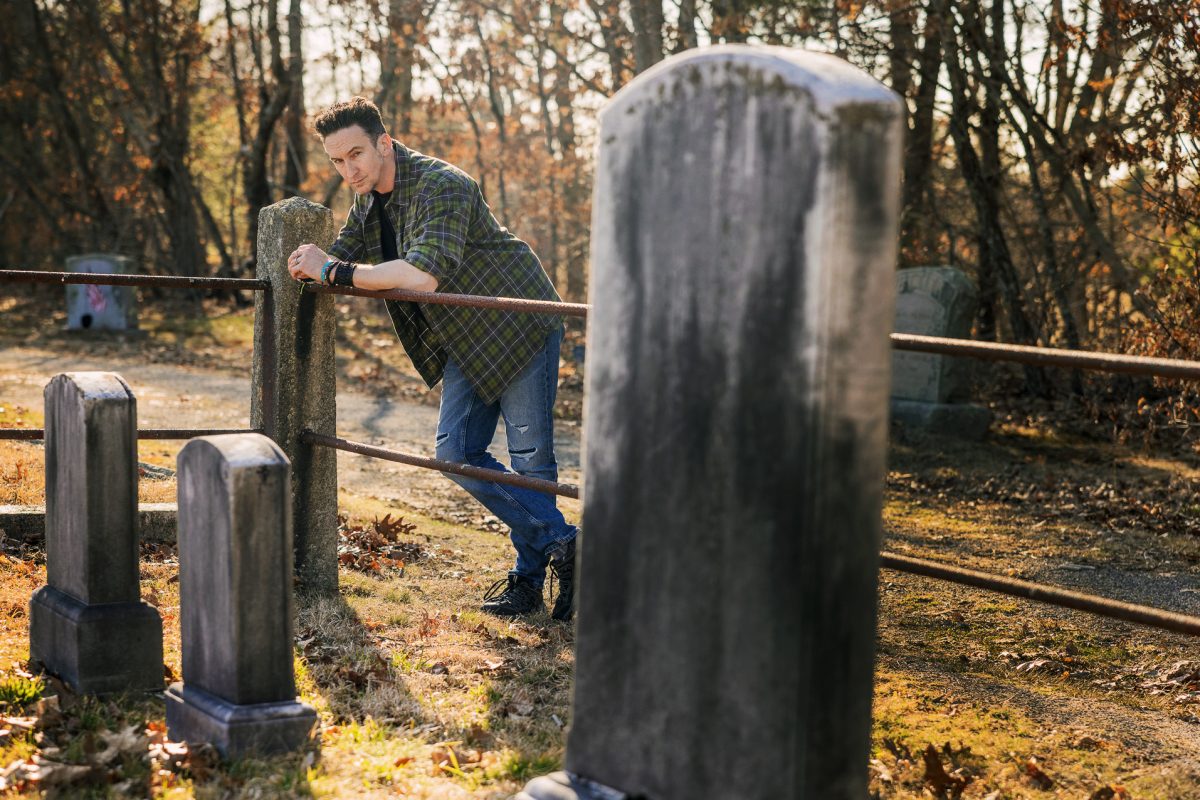
Dan Osborn gave a lecture at Simpson College this week about his foundation and desire to make American politics fair for everyone.
He founded the Working Class Hero Fund is an organization that helps bring people together across party lines to help working-class people get involved in politics.
“Less than two percent of our congress, our elected officials, come from what’s considered the working class,” Dan Osborn, founder of the Working Class Hero Fund, said.
Osborn served in the Navy and comes from a long line of veterans. He later became a mechanic by trade and joined a union. When his job threatened to take his and his fellow employee’s benefits away, he led a successful strike for 77 days.
“I remember walking back into the plant with a sense of pride,” Osborn said.
This was his first introduction to politics, and Osborn would later run for the United States Senate as an independent. He overperformed the presidential ballot by more than any other Senate candidate in the country.
While he did not get elected, Osborn found his values of equal opportunity for everyone were popular.
Nearly fifty people attended Osborn’s lecture, including students, staff, and locals. The numbers statewide, as well as at the college, prove his thoughts are at least being acknowledged.
“You may not care about politics, but politics is going to care about you,” Osborn said.
After Osborn talked about his background and his foundation, he talked about the corruption he found in American politics.
He brought attention to the large companies statewide who buy politicians and make monopolies out of the products that working-class people should be paid for.
After his lecture, he opened the audience to questions, and was asked about his thoughts on certain political matters.
Some students asked about the agriculture business. One of those questions was about how companies like John Deere take advantage of farmers by withholding affordable repairs on their farm equipment.
“If you own something, you have the right to repair it,” he said. “It should be a no-brainer, but it’s not, because companies like John Deere are using their proprietary equipment, making it so that farmers can’t repair their own equipment.”
When asked about big companies buying up farm land and making it difficult for family farms to compete with, Osborn said that it comes down to private equity and his theories.
He spoke to a rancher whose neighbor is none other than Bill Gates. Gates, according to the rancher, tried to separate land rights from water rights.
Marina Cronin, a sophomore health and exercise major, spoke on Osborn’s point about monopoly companies taking over small towns.
“My town doesn’t even have a Casey’s, but we do have a Dollar General, and I’m like it is kinda crazy if you think about [it],” Cronin said. “It’s kind of sad that they get a lot of money and all these small, local businesses are struggling because of it.”
Osborn gave his audience many of his viewpoints to contemplate, giving a grey shade of politics rather than black or white.