As finals approach, a common issue among students at Simpson rises: burnout. Avoiding burnout in college may seem impossible.
Merriam-Webster’s dictionary describes burnout as: “exhaustion of physical or emotional strength or motivation, usually as a result of prolonged stress or frustration.”
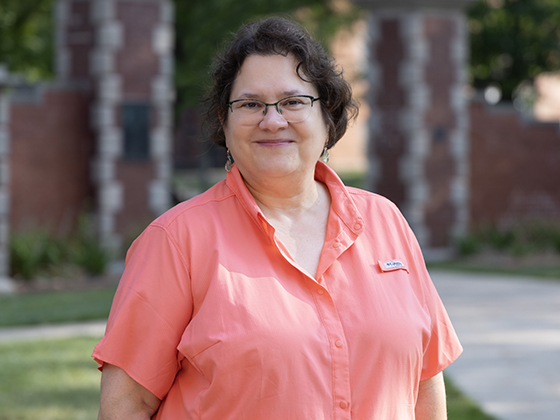
Jenny Vargas, the director of counseling services, said 75 percent of students come into counseling describing feelings of stress and anxiety.
“They don’t always identify it as burnout,” Vargas said. “Some students can identify it as burnout and know what that means. Others are just ‘I’m stressed out, I’m overwhelmed, and don’t know what to do.”
Student burnout can be unique depending on the student’s activities. Keeping up with assignments, exams and projects for each class can be a stressful task; not to mention students may be involved in activities such as sports or clubs. Different majors may also experience a variety of stress levels depending on their own coursework.
Fall finals week arrives at the beginning of winter, when the world seems to hibernate and the skies turn grey. Iowa winters can be especially harsh with frigid wind chills and thick layers of snow.
Such atmospheres often lead to seasonal affective depression, also known asSAD. According to the Mayo Clinic, SAD usually beginsin the fall and continues into winter. Symptoms include feeling drained or moody, with little desire to do anything, which is similar to burnout.
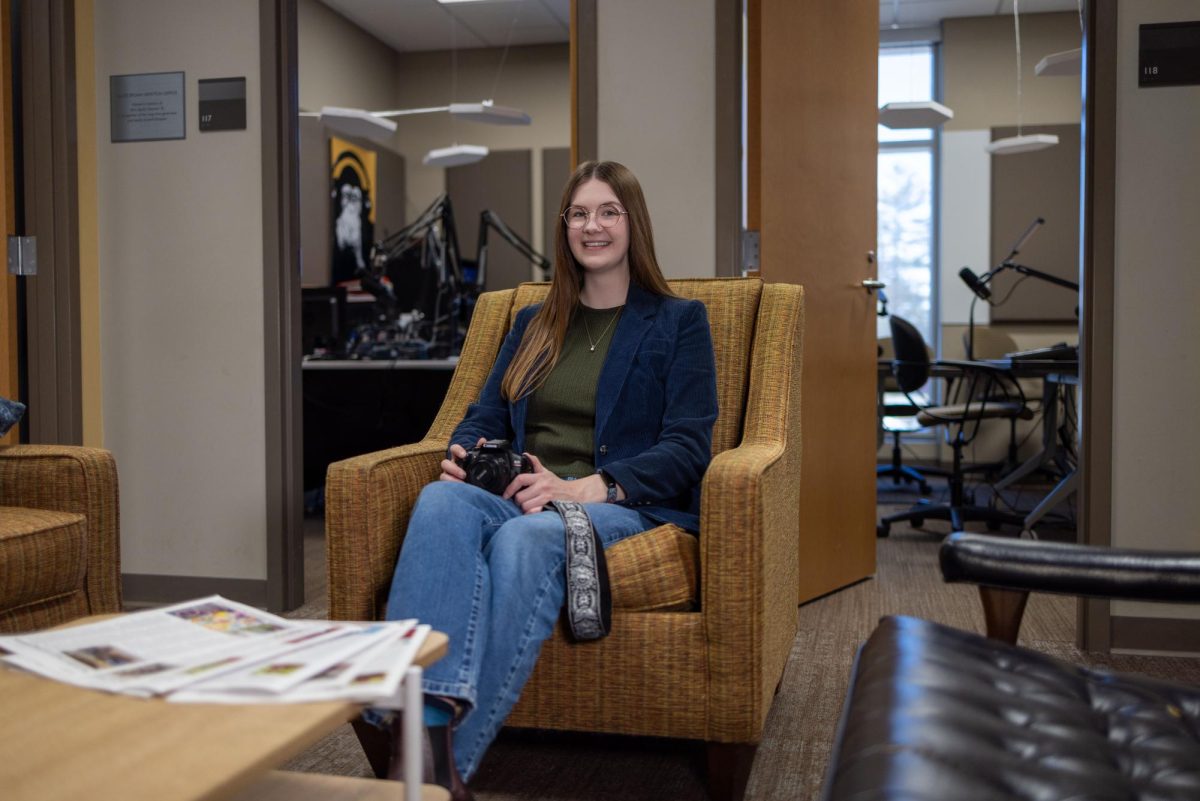
Junior Lily Garlich, an English and multimedia journalism major, said her feelings of burnout comes in waves.
“I usually get discouraged when burnout hits because it makes me feel less than as a student. It makes me feel like I’m being lazy just because I’m experiencing burnout,” she said. “It’s a never-ending cycle of me having extreme motivation and really putting myself forward, but then getting burned out because I’m doing so much.”
People respond to burnout and seasonal affective depression in a variety of ways. Students have described activities like lying in bed for hours, scrolling on social media, isolating themselves and more.
“I wish it was more talked about (burnout) so students don’t have to feel like they were weird for experiencing it, or like if you’re feeling burned out, it means I’m failing stuff, like it doesn’t mean that because we don’t talk about it,” Vargas said.
“They’re not alone. I’m experiencing it too, trust,” first-year Hannah Dank said.
However, it’s not just students who experience burnout; faculty members undergo similar phases, but for different reasons. Professors have to worry about grading assignments on time, department changes and lecture structures.
Vargas, Dank and Garlich advised on how to combat burnout. Taking breaks, connecting with friends and prioritizing important activities will help with these feelings.
Counseling services for students are located on the second floor of the Kent Campus Center next to Student Development. Students can email to set up an appointment at [email protected], or directly with Vargas. Coaches and faculty can also be helpful when connecting with Counseling Services. Counselors are on campus Monday through Thursday until 6:30 p.m., and Friday until 5:30 p.m..