
With the occurrence of daylight saving time on Nov. 2, the sky grows darker earlier in the day. This time change makes for a long winter season, especially for those with seasonal depression, also called seasonal affective disorder (SAD).
According to The Mayo Clinic, SAD is a type of depression related to seasonal changes, and is most prevalent in the fall and winter months.
Jenny Vargas, the Director of Counseling Services, explained seasonal depression symptoms often occur during late fall and winter; while only 5% of adults meet the criteria for Seasonal Affective Disorder, many adults experience decreased mood during these seasons.
Vargas described the symptoms of seasonal depression and how they parallel symptoms of regular depression.
“SAD symptoms mirror regular depression symptoms and can include fatigue, general sense of sadness, anxiety, sleep struggles, loss of interest in activities and being more irritable than normal,” Vargas said via email.
Vargas encouraged students experiencing SAD symptoms to visit Health Services and Counseling Services to navigate the harder months and learn about coping skills. She also said working with a medical provider to start taking vitamin D and vitamin B complex may help to aid with SAD symptoms.
A newer method of coping with these symptoms involves using therapy lights, also called sun lamps. Although these lamps are helpful, Vargas warned using them improperly can have adverse effects on sleep schedules.
“These are not lamps for tanning, but can mimic some of the effects of the sun. A common brand of these are called Happy Lights, but there are many effective brands out there,” Vargas said. “The important thing with these lamps is to use them in the morning for 10-15 minutes. If you use them too late or for too long, they can throw off your circadian rhythm which means your sleep cycle can be disrupted.”
Along with Vargas’ explanation, Taylor Vargo, a cognitive psychologist and instructor of psychological science, explained how the brain is affected by fewer daylight hours during the fall and winter months.
“ The biggest issue is that the days are getting shorter, so we’re getting less sunlight. So as we get less sunlight, the brain is producing more melatonin,” Vargo said. “To stop the production of melatonin, you need the sun rays, and we don’t have that as much in the winter, which is what makes you tired.”
Vargo explained as the brain produces more melatonin, serotonin and dopamine are decreased, which can result in decreased mood and appetite. This melatonin increase could also heighten appetite for carbohydrates, due to the body being tired.
Vargo also explained how time changes, like fall back and spring forward, also greatly affect cognitive abilities.
“ Whenever we lose an hour of sleep, they’ve done studies to look at people’s driving performance after they lose that one hour of sleep, and they find there’s an increase in car accidents and increase in traffic violations as well,” Vargo said. “Our cognitive abilities are severely decreased just by losing that single hour.”
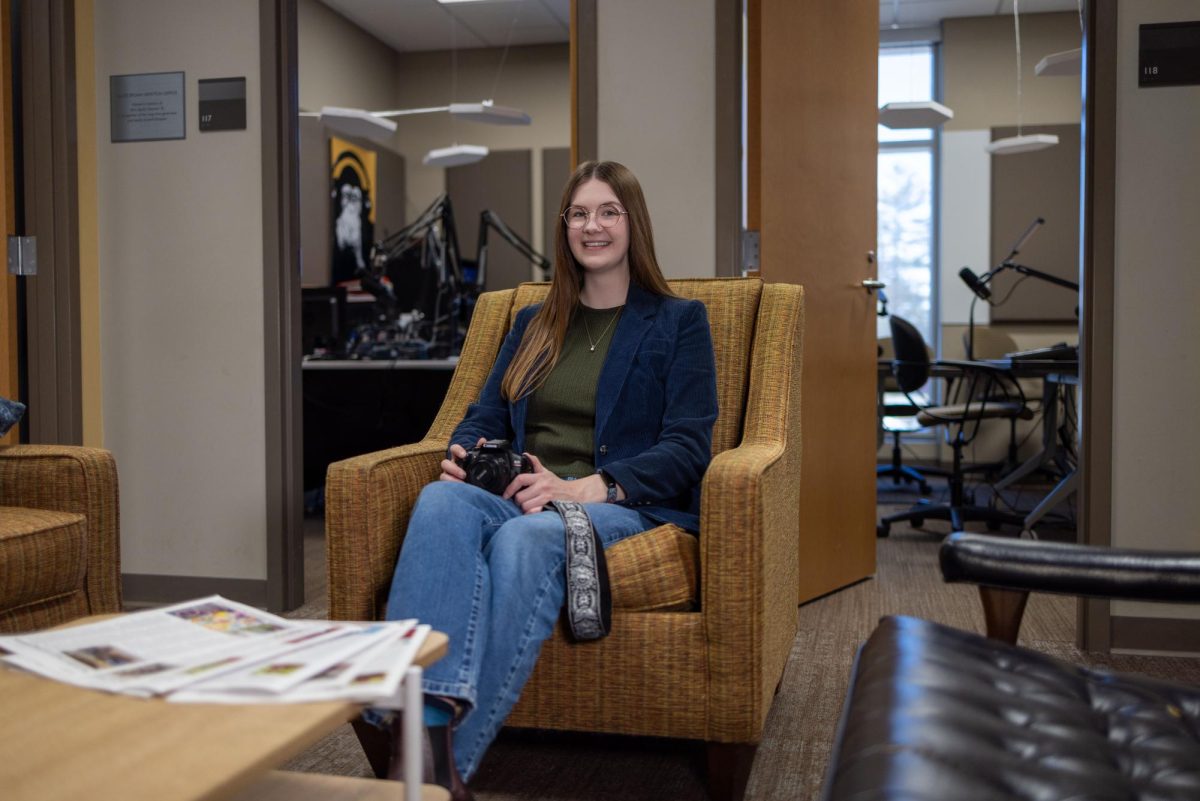
Em Irlmeier, a junior studying social justice studies and religion, was diagnosed with Seasonal Affective Disorder last winter, and shared the subtle signs of the disorder, like laundry piling up or procrastinating doing dishes. Though as the winter is in full swing, motivation and productivity can waver.
“ The biggest thing for me is I just noticed that it gets significantly harder to do anything that I’m supposed to do. It gets much harder to do actual schoolwork, be productive and stay on top of things,” Irlmeier said. “It’s much easier for me to procrastinate or to start something and not end up finishing it, whereas during the summer or at the beginning of the school year, I’m very on top of things.”
Irlmeier said she keeps herself grounded during the darker months by implementing self-care into her daily routine and enjoying intentional moments of silence. She also encouraged students to listen to their bodies and be honest with themselves about the seasonal depression symptoms they may experience.
“ Listen to yourself and listen to what your body and your mind are telling you. Although school is important, your sense of self is the most important thing,” Irlmeier said. “You’re always going to carry yourself with you, and you need to find ways to make sure you can get through as a person before you can be a top, grade A student.”